Blog

Visualization Exercises: Boost Confidence and Calm in Your Kids
Visualization Exercises: Boost Confidence and Calm in Your Kids
Visualization exercises aren’t just for adults—they can be a powerful way to help your child feel more confident and calm in everyday moments. If you’ve noticed your kids struggling with self-doubt or stress, these simple mental tools might be exactly what they need to build resilience quietly from within. Let me show you how visualization exercises can become a gentle, supportive practice that fits right into your parenting toolkit. For more insights, check out this resource.
Benefits of Visualization Exercises
When we talk about growth, we often focus on adults. But kids, too, can harness the power of visualization to grow and thrive. Let's explore how these exercises can be a game changer for your child.
Boosting Confidence in Kids
Imagine your child stepping into a new situation with confidence. Visualization exercises can help make this a reality. Picture this: Your child has a big presentation at school. They're nervous and unsure. Together, you practice a simple visualization exercise. Close their eyes and imagine themselves on that stage, speaking clearly and confidently. Soon, that nervousness starts to fade.
Concrete examples: When Tiger Woods was young, he used visualization to focus and succeed. Encourage your child to visualize success in their activities, just as he did.
Practical tip: Spend five minutes a day on this exercise, perhaps before bedtime. Consistency is key, and over time, you'll notice a boost in your child's self-belief.
Want more tips? Check out this guide.
Promoting Calm Children
Stress can creep into a child's life unexpectedly, affecting their mood and behavior. Visualization can offer a sanctuary of calm. Imagine your child feeling anxious before a test. Encourage them to visualize a peaceful place—maybe a beach or a quiet forest. This shift in focus can calm their mind and body.
Daily practice: Help them create a mental "calm corner" to visit whenever they feel overwhelmed.
Success story: Many parents share that their kids handle stress better with regular visualization. It's like a mini-vacation for their mind.
To dive deeper into these techniques, explore this resource.
Techniques for Emotional Well-Being
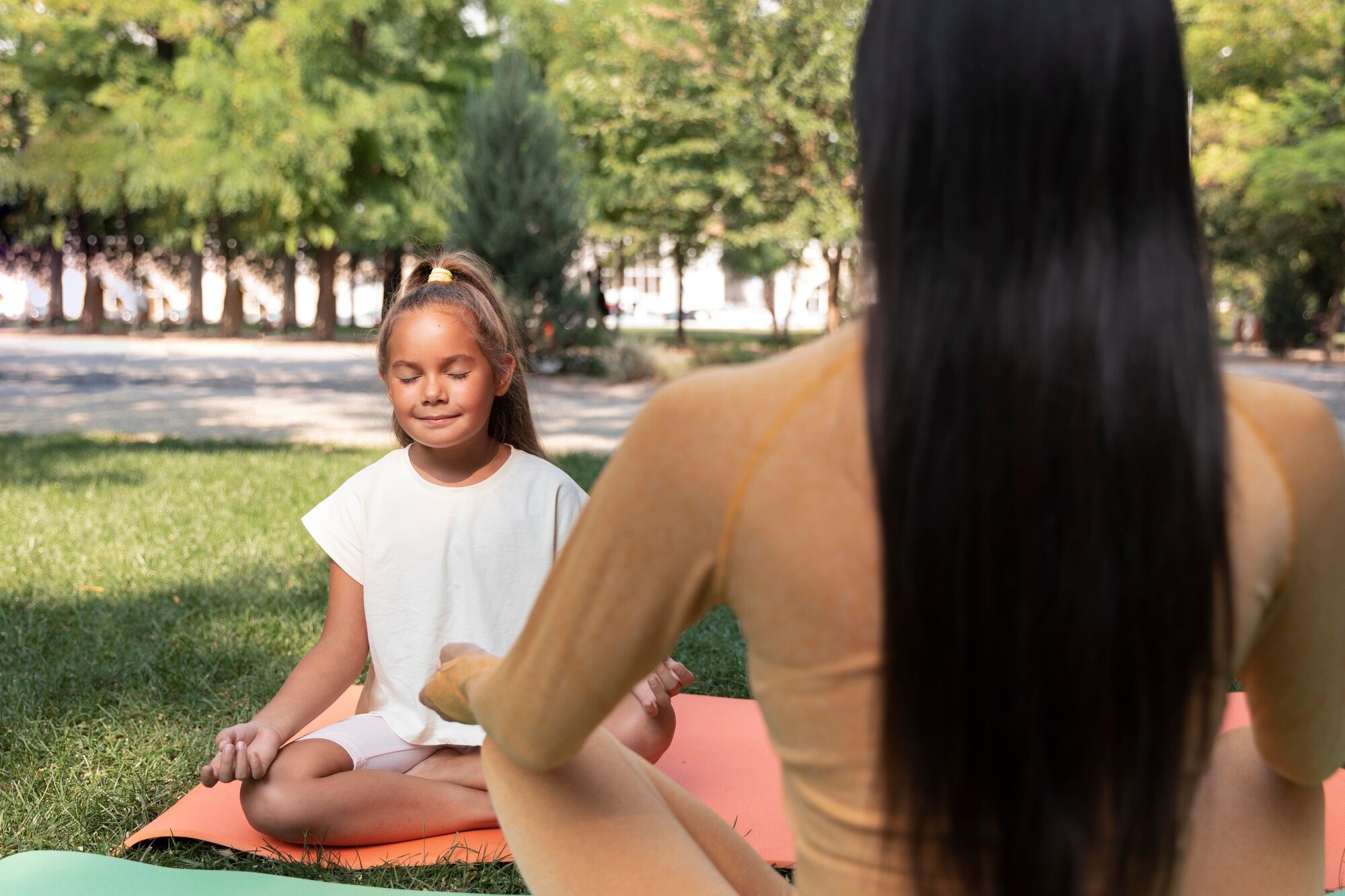
Now that we know the benefits, how can you implement these exercises at home? Here are some techniques to foster emotional well-being in your children.
Mindfulness for Children
Mindfulness is more than a buzzword; it's a valuable tool. Encouraging your child to be present in the moment can enhance their emotional health. Start with simple breathing exercises. Ask your child to close their eyes and breathe deeply. Focus on the sound of their breath, letting thoughts drift by without judgment.
Routine integration: Try this exercise in the morning, setting a calm tone for the day.
Result: Kids become more aware of their feelings and respond rather than react.
For more on incorporating mindfulness, visit this blog.
Parental Support at Home
As a parent, your role is pivotal. Supporting your child's practice makes a big difference. Create a routine where you and your child explore these exercises together. Your involvement shows them the importance of these practices.
Family activity: Make it a family event. Share what you visualize and discuss how it makes you feel. This encourages open communication.
Encouragement: Celebrate small victories to keep their motivation high.
The longer you wait, the more opportunities for growth your child misses. Jump in and start today!
Introducing Hypnosis for Kids
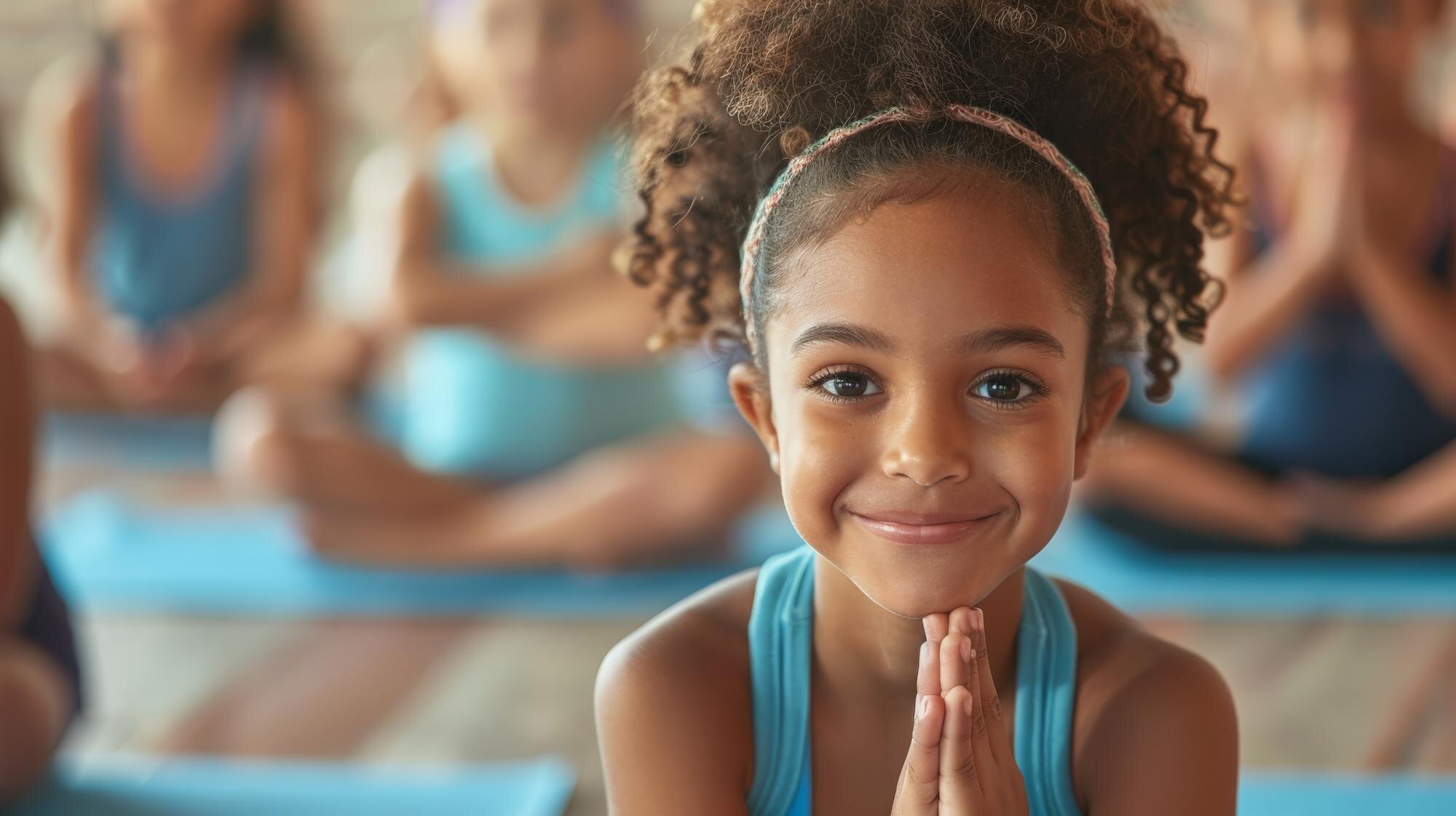
Exploring visualization naturally leads us to the broader world of subconscious strategies, like hypnosis. How can hypnosis support your child's growth and well-being?
Personalized Coaching Sessions
Hypnosis for kids is about gentle guidance. It's like a focused form of daydreaming that helps kids tap into their inner resources. What happens during a session? Your child relaxes and follows simple suggestions that encourage positive thinking and behavior.
Benefits: Kids often find it easier to overcome challenges and feel more empowered.
Your role: As a parent, you're part of the process. Your support enhances their experience.
Many parents find these sessions transformative. Interested in learning more? Watch this informative video.
Upcoming Workshop and Discounts 🌟
I'm excited to announce an upcoming workshop designed to introduce parents and kids to the world of hypnosis and visualization. These workshops offer practical tools and techniques tailored to your child's needs.
Workshop benefits: Gain hands-on experience and learn how to apply these strategies at home. Plus, enjoy exclusive discounts for attendees.
Join us: Don't miss this opportunity to empower your child and yourself. Keep an eye out for registration details.
By taking this step, you're not only investing in your child's well-being but also creating a nurturing environment for growth.
Visualization exercises are more than just a tool—they're a doorway to a brighter, more confident future for your child. Embrace the possibilities today!

Visualization Exercises: Boost Confidence and Calm in Your Kids
Visualization Exercises: Boost Confidence and Calm in Your Kids
Visualization exercises aren’t just for adults—they can be a powerful way to help your child feel more confident and calm in everyday moments. If you’ve noticed your kids struggling with self-doubt or stress, these simple mental tools might be exactly what they need to build resilience quietly from within. Let me show you how visualization exercises can become a gentle, supportive practice that fits right into your parenting toolkit. For more insights, check out this resource.
Benefits of Visualization Exercises
When we talk about growth, we often focus on adults. But kids, too, can harness the power of visualization to grow and thrive. Let's explore how these exercises can be a game changer for your child.
Boosting Confidence in Kids
Imagine your child stepping into a new situation with confidence. Visualization exercises can help make this a reality. Picture this: Your child has a big presentation at school. They're nervous and unsure. Together, you practice a simple visualization exercise. Close their eyes and imagine themselves on that stage, speaking clearly and confidently. Soon, that nervousness starts to fade.
Concrete examples: When Tiger Woods was young, he used visualization to focus and succeed. Encourage your child to visualize success in their activities, just as he did.
Practical tip: Spend five minutes a day on this exercise, perhaps before bedtime. Consistency is key, and over time, you'll notice a boost in your child's self-belief.
Want more tips? Check out this guide.
Promoting Calm Children
Stress can creep into a child's life unexpectedly, affecting their mood and behavior. Visualization can offer a sanctuary of calm. Imagine your child feeling anxious before a test. Encourage them to visualize a peaceful place—maybe a beach or a quiet forest. This shift in focus can calm their mind and body.
Daily practice: Help them create a mental "calm corner" to visit whenever they feel overwhelmed.
Success story: Many parents share that their kids handle stress better with regular visualization. It's like a mini-vacation for their mind.
To dive deeper into these techniques, explore this resource.
Techniques for Emotional Well-Being
Now that we know the benefits, how can you implement these exercises at home? Here are some techniques to foster emotional well-being in your children.
Mindfulness for Children
Mindfulness is more than a buzzword; it's a valuable tool. Encouraging your child to be present in the moment can enhance their emotional health. Start with simple breathing exercises. Ask your child to close their eyes and breathe deeply. Focus on the sound of their breath, letting thoughts drift by without judgment.
Routine integration: Try this exercise in the morning, setting a calm tone for the day.
Result: Kids become more aware of their feelings and respond rather than react.
For more on incorporating mindfulness, visit this blog.
Parental Support at Home
As a parent, your role is pivotal. Supporting your child's practice makes a big difference. Create a routine where you and your child explore these exercises together. Your involvement shows them the importance of these practices.
Family activity: Make it a family event. Share what you visualize and discuss how it makes you feel. This encourages open communication.
Encouragement: Celebrate small victories to keep their motivation high.
The longer you wait, the more opportunities for growth your child misses. Jump in and start today!
Introducing Hypnosis for Kids
Exploring visualization naturally leads us to the broader world of subconscious strategies, like hypnosis. How can hypnosis support your child's growth and well-being?
Personalized Coaching Sessions
Hypnosis for kids is about gentle guidance. It's like a focused form of daydreaming that helps kids tap into their inner resources. What happens during a session? Your child relaxes and follows simple suggestions that encourage positive thinking and behavior.
Benefits: Kids often find it easier to overcome challenges and feel more empowered.
Your role: As a parent, you're part of the process. Your support enhances their experience.
Many parents find these sessions transformative. Interested in learning more? Watch this informative video.
Upcoming Workshop and Discounts 🌟
I'm excited to announce an upcoming workshop designed to introduce parents and kids to the world of hypnosis and visualization. These workshops offer practical tools and techniques tailored to your child's needs.
Workshop benefits: Gain hands-on experience and learn how to apply these strategies at home. Plus, enjoy exclusive discounts for attendees.
Join us: Don't miss this opportunity to empower your child and yourself. Keep an eye out for registration details.
By taking this step, you're not only investing in your child's well-being but also creating a nurturing environment for growth.
Visualization exercises are more than just a tool—they're a doorway to a brighter, more confident future for your child. Embrace the possibilities today!
Disclaimer: We understand that every individual's experience is unique and results may vary depending on various factors, such as attitude, adaptability, personal history, and overall health. For your safety and well-being, we highly recommend consulting your physician before beginning any program. At Dani Fox, MBA, we do not diagnose, treat, or prescribe any medical or psychological disorders. We urge you to seek the care of a qualified physician or psychotherapist if you suffer from any psychological or medical disorder. Thank you for choosing Dani Fox, MBA as your partner in your journey toward Powerful Positive Change.
Privacy Policy | Terms of Service | Scope of Practice Disclaimer
© 2025, Dani Fox, MBA. All rights reserved.
Disclaimer: We understand that every individual's experience is unique and results may vary depending on various factors, such as attitude, adaptability, personal history, and overall health. For your safety and well-being, we highly recommend consulting your physician before beginning any program. At Dani Fox, MBA, we do not diagnose, treat, or prescribe any medical or psychological disorders. We urge you to seek the care of a qualified physician or psychotherapist if you suffer from any psychological or medical disorder. Thank you for choosing Dani Fox, MBA as your partner in your journey toward Powerful Positive Change.
Facebook
Instagram
LinkedIn
Youtube
TikTok
Pinterest