Blog

Steady Energy, Calmer Days: Integrative Strategies That Actually Fit Your Life
Steady Energy, Calmer Days: Integrative Strategies That Actually Fit Your Life
Stress drains your energy, and quick fixes only leave you more worn out. You need integrative stress management that fits your real life—simple steps that build steady energy without overwhelming your schedule. In this post, I’ll share practical strategies to help you lower stress and boost energy naturally, so you can feel calmer and more in control every day. For more on holistic approaches to stress management, check out this comprehensive guide.
Everyday Stress Management
Imagine a day where stress doesn’t take over. You can make it happen by integrating simple techniques into your routine. Let’s explore how you can manage stress effectively.
Integrative Stress Management
You might think stress has to be a constant companion, but that’s not true. By adopting a few key practices, you can see a noticeable difference. Start with setting aside ten minutes each day to unwind. This could be reading, meditating, or simply sitting quietly. Consistency is key, and even this small step can lead to big changes.
Mindfulness is another powerful tool. Pay attention to the present moment without judgment. You can practice this while eating, walking, or even while doing chores. Focusing on the here and now can reduce anxiety. For a deeper dive into integrative techniques, visit Johns Hopkins Medicine for their take on stress management.
Breathwork for Stress Relief
Ever noticed how your breath responds to stress? It becomes shallow and rapid. By controlling your breath, you can signal your body to calm down. Try the 4-7-8 method: inhale for four seconds, hold for seven, and exhale for eight. Do this three times whenever you feel tense.
A real-life example: Sarah, a busy mom, started using breathwork before bed. She found that her sleep improved significantly, and her evenings became more peaceful. This simple practice helped her break the cycle of stress-induced sleeplessness.
Nervous System Regulation
Your nervous system can become overwhelmed, amplifying stress. To regulate it, consider grounding techniques. These could include walking barefoot in the grass or holding an ice cube to bring your focus to physical sensations. Such activities help reset your system.
Engaging in these practices daily can create a buffer against stress. It’s about giving your body tools to handle pressure more effectively. For more insights, Harvard Health offers valuable information on mindfulness and movement.
Boosting Natural Energy Levels

Feeling energized throughout the day is within your reach. With a few lifestyle tweaks, you can boost your energy levels naturally. Let’s look at how to start your day on the right foot.
Morning Routine for Energy
Start your day with purpose. A well-crafted morning routine can set the tone for the entire day. Begin with a glass of water to kickstart your metabolism. Follow this with a few minutes of stretching or yoga to awaken your body.
Consider setting a consistent wake-up time, even on weekends. This helps regulate your internal clock, improving both energy and mood. Remember, how you start your day can dictate how the rest of it unfolds.
Mindful Nutrition for Energy
What you eat plays a crucial role in how you feel. Choose whole foods that sustain energy, like oats, nuts, and leafy greens. Avoid processed foods high in sugar, which can lead to energy crashes.
Eating mindfully means paying attention to hunger and fullness cues. It’s not just about what you eat, but how you eat. Savor each bite and notice the flavors. This practice can lead to better digestion and more sustained energy.
Gentle Movement for Energy
Moving your body doesn’t have to mean intense workouts. Gentle activities like walking or tai chi can boost energy without leaving you exhausted. Aim for at least 20 minutes of movement daily.
Movement helps circulate blood and oxygen, providing a natural energy boost. Plus, it releases endorphins, improving your mood. For those struggling with finding the right activity, remember that even small steps add up.
Sustainable Lifestyle Changes
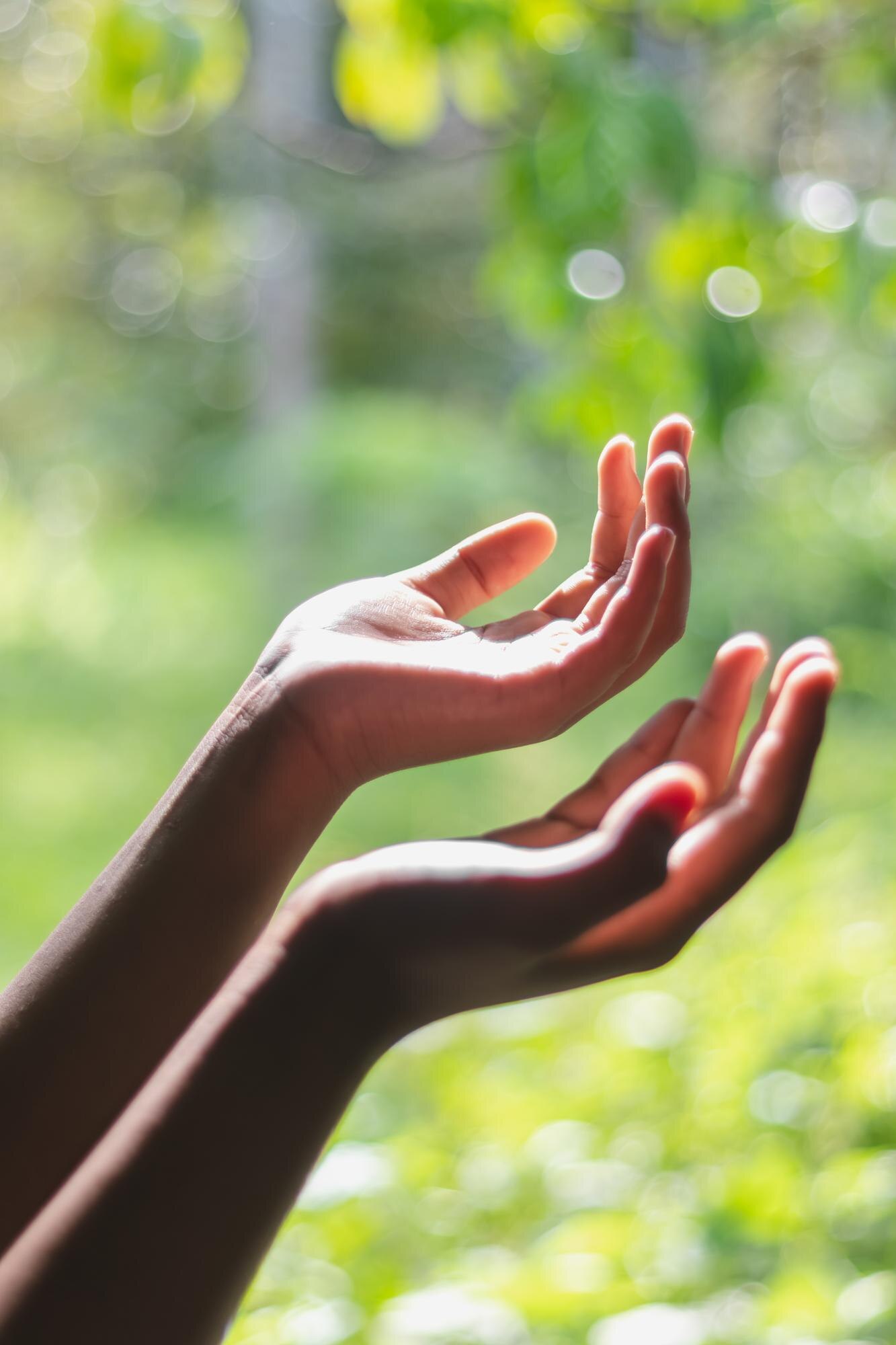
To maintain these benefits, you need lifestyle changes that last. Let’s explore strategies that support a balanced and healthy life.
Work-Life Balance Strategies
Finding balance can seem impossible, but small changes can make a big difference. Set boundaries like not checking work emails after a certain time. Prioritize tasks and focus on what truly matters.
A balanced life means having time for work, family, and yourself. By being intentional with your time, you can reduce stress and enjoy life more.
Time Management for Health
Effective time management can enhance your well-being. Plan your day with realistic goals, and include breaks. Use tools like planners or apps to stay organized and reduce overwhelm.
When you manage your time well, you create space for health-promoting activities. This leads to lower stress and more energy.
Resilience Practices
Building resilience helps you bounce back from challenges. Practices like gratitude journaling or positive self-talk can strengthen your mental fortitude. Remember, resilience is like a muscle—the more you use it, the stronger it gets.
Incorporate these practices into your life, and you’ll find yourself better equipped to handle stress. Over time, you’ll notice a shift in how you respond to life’s ups and downs. 😊

Steady Energy, Calmer Days: Integrative Strategies That Actually Fit Your Life
Steady Energy, Calmer Days: Integrative Strategies That Actually Fit Your Life
Stress drains your energy, and quick fixes only leave you more worn out. You need integrative stress management that fits your real life—simple steps that build steady energy without overwhelming your schedule. In this post, I’ll share practical strategies to help you lower stress and boost energy naturally, so you can feel calmer and more in control every day. For more on holistic approaches to stress management, check out this comprehensive guide.
Everyday Stress Management
Imagine a day where stress doesn’t take over. You can make it happen by integrating simple techniques into your routine. Let’s explore how you can manage stress effectively.
Integrative Stress Management
You might think stress has to be a constant companion, but that’s not true. By adopting a few key practices, you can see a noticeable difference. Start with setting aside ten minutes each day to unwind. This could be reading, meditating, or simply sitting quietly. Consistency is key, and even this small step can lead to big changes.
Mindfulness is another powerful tool. Pay attention to the present moment without judgment. You can practice this while eating, walking, or even while doing chores. Focusing on the here and now can reduce anxiety. For a deeper dive into integrative techniques, visit Johns Hopkins Medicine for their take on stress management.
Breathwork for Stress Relief
Ever noticed how your breath responds to stress? It becomes shallow and rapid. By controlling your breath, you can signal your body to calm down. Try the 4-7-8 method: inhale for four seconds, hold for seven, and exhale for eight. Do this three times whenever you feel tense.
A real-life example: Sarah, a busy mom, started using breathwork before bed. She found that her sleep improved significantly, and her evenings became more peaceful. This simple practice helped her break the cycle of stress-induced sleeplessness.
Nervous System Regulation
Your nervous system can become overwhelmed, amplifying stress. To regulate it, consider grounding techniques. These could include walking barefoot in the grass or holding an ice cube to bring your focus to physical sensations. Such activities help reset your system.
Engaging in these practices daily can create a buffer against stress. It’s about giving your body tools to handle pressure more effectively. For more insights, Harvard Health offers valuable information on mindfulness and movement.
Boosting Natural Energy Levels
Feeling energized throughout the day is within your reach. With a few lifestyle tweaks, you can boost your energy levels naturally. Let’s look at how to start your day on the right foot.
Morning Routine for Energy
Start your day with purpose. A well-crafted morning routine can set the tone for the entire day. Begin with a glass of water to kickstart your metabolism. Follow this with a few minutes of stretching or yoga to awaken your body.
Consider setting a consistent wake-up time, even on weekends. This helps regulate your internal clock, improving both energy and mood. Remember, how you start your day can dictate how the rest of it unfolds.
Mindful Nutrition for Energy
What you eat plays a crucial role in how you feel. Choose whole foods that sustain energy, like oats, nuts, and leafy greens. Avoid processed foods high in sugar, which can lead to energy crashes.
Eating mindfully means paying attention to hunger and fullness cues. It’s not just about what you eat, but how you eat. Savor each bite and notice the flavors. This practice can lead to better digestion and more sustained energy.
Gentle Movement for Energy
Moving your body doesn’t have to mean intense workouts. Gentle activities like walking or tai chi can boost energy without leaving you exhausted. Aim for at least 20 minutes of movement daily.
Movement helps circulate blood and oxygen, providing a natural energy boost. Plus, it releases endorphins, improving your mood. For those struggling with finding the right activity, remember that even small steps add up.
Sustainable Lifestyle Changes
To maintain these benefits, you need lifestyle changes that last. Let’s explore strategies that support a balanced and healthy life.
Work-Life Balance Strategies
Finding balance can seem impossible, but small changes can make a big difference. Set boundaries like not checking work emails after a certain time. Prioritize tasks and focus on what truly matters.
A balanced life means having time for work, family, and yourself. By being intentional with your time, you can reduce stress and enjoy life more.
Time Management for Health
Effective time management can enhance your well-being. Plan your day with realistic goals, and include breaks. Use tools like planners or apps to stay organized and reduce overwhelm.
When you manage your time well, you create space for health-promoting activities. This leads to lower stress and more energy.
Resilience Practices
Building resilience helps you bounce back from challenges. Practices like gratitude journaling or positive self-talk can strengthen your mental fortitude. Remember, resilience is like a muscle—the more you use it, the stronger it gets.
Incorporate these practices into your life, and you’ll find yourself better equipped to handle stress. Over time, you’ll notice a shift in how you respond to life’s ups and downs. 😊
Disclaimer: We understand that every individual's experience is unique and results may vary depending on various factors, such as attitude, adaptability, personal history, and overall health. For your safety and well-being, we highly recommend consulting your physician before beginning any program. At Dani Fox, MBA, we do not diagnose, treat, or prescribe any medical or psychological disorders. We urge you to seek the care of a qualified physician or psychotherapist if you suffer from any psychological or medical disorder. Thank you for choosing Dani Fox, MBA as your partner in your journey toward Powerful Positive Change.
Privacy Policy | Terms of Service | Scope of Practice Disclaimer | Accessibility
© 2026, Dani Fox, MBA. All rights reserved.
Disclaimer: We understand that every individual's experience is unique and results may vary depending on various factors, such as attitude, adaptability, personal history, and overall health. For your safety and well-being, we highly recommend consulting your physician before beginning any program. At Dani Fox, MBA, we do not diagnose, treat, or prescribe any medical or psychological disorders. We urge you to seek the care of a qualified physician or psychotherapist if you suffer from any psychological or medical disorder. Thank you for choosing Dani Fox, MBA as your partner in your journey toward Powerful Positive Change.
Facebook
Instagram
LinkedIn
Youtube
TikTok
Pinterest