Blog
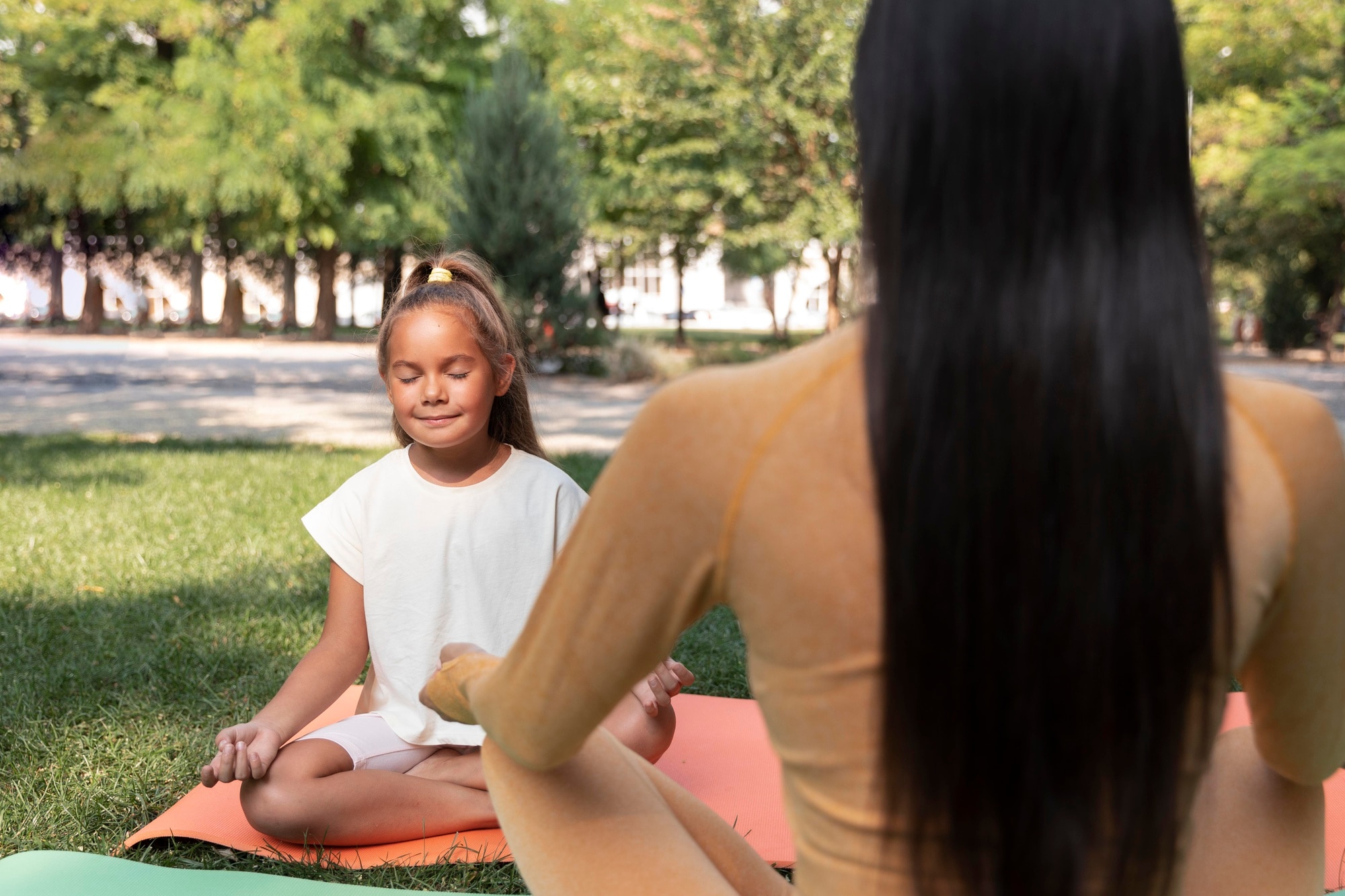
Gentle Visualization Exercises: Nurturing Resilience in Our Young Ones
Gentle Visualization Exercises: Nurturing Resilience in Our Young Ones
Most parents wish their children could bounce back from challenges with quiet confidence and emotional strength. Yet, finding gentle ways to build that resilience can feel tricky. Visualization exercises offer a simple, creative path to help kids grow inner calm and confidence. Let’s explore how these mindful tools can support your child’s emotional strength and open new doors for confidence building.
Understanding Visualization Exercises
Visualization exercises can be a game-changer in building resilience. These exercises are like mental rehearsals that help kids picture positive outcomes and tap into their inner strength.
Building Child Resilience
When children imagine themselves tackling tough situations, they build mental strength. This mental practice helps them see challenges as opportunities. Instead of feeling overwhelmed, they begin to understand that they have the tools to manage stress. As they practice, kids start to believe in their ability to bounce back. Harnessing visualization techniques can empower your child's success by helping them see possibilities, not problems.
Parents can join in these visualization exercises. Picture a calm place with your child, and ask them to describe it. What do they see, hear, and feel? This shared activity not only strengthens resilience but also fosters a deeper connection. When kids share their visions, it often opens up new conversations, helping you understand their inner world better.
Emotional Strength for Kids
Emotional strength is like a muscle. The more kids use it, the stronger it gets. Visualization exercises provide a safe space to explore feelings. Kids can imagine themselves handling emotions like anger or sadness in healthy ways. This mental rehearsal equips them with strategies for real-life situations.
You can guide your child by asking simple questions. “How would you feel if you could handle that situation calmly?” or “What would it look like if you felt strong in that moment?” These questions encourage kids to think deeply about their emotions and responses. Over time, they learn to navigate their feelings with confidence and ease.
Techniques for Mindfulness

Once kids start visualizing, they can move into more structured mindfulness practices. These techniques support both emotional strength and overall well-being.
Confidence Building Practices
Confidence grows when kids feel understood and capable. Mindfulness practices, like deep breathing or simple yoga poses, help ground children in the present moment. They learn to listen to their bodies and respond with intention, not just reaction. By practicing these exercises regularly, kids develop a sense of control over their thoughts and feelings.
Incorporate a few minutes of mindfulness into your daily routine. Perhaps start with a family breathing exercise before bed or a morning stretch together. These small moments build a foundation for lasting change. You can find more mindfulness activities for kids here.
Creative Visualization Methods
Creative visualization is like painting a picture in your mind. Kids can imagine themselves succeeding in various situations, which builds assurance and hope. Encourage them to visualize their "best selves" tackling daily activities with ease. This practice turns dreams into achievable goals.
Create a visualization story with your child. Let them be the hero overcoming an obstacle. As they narrate their adventure, they gain insight into their strengths and how to apply them. This storytelling technique is powerful and can transform how they view their capabilities. Check out these storytelling tips for kids.
Empowering Your Child's Growth
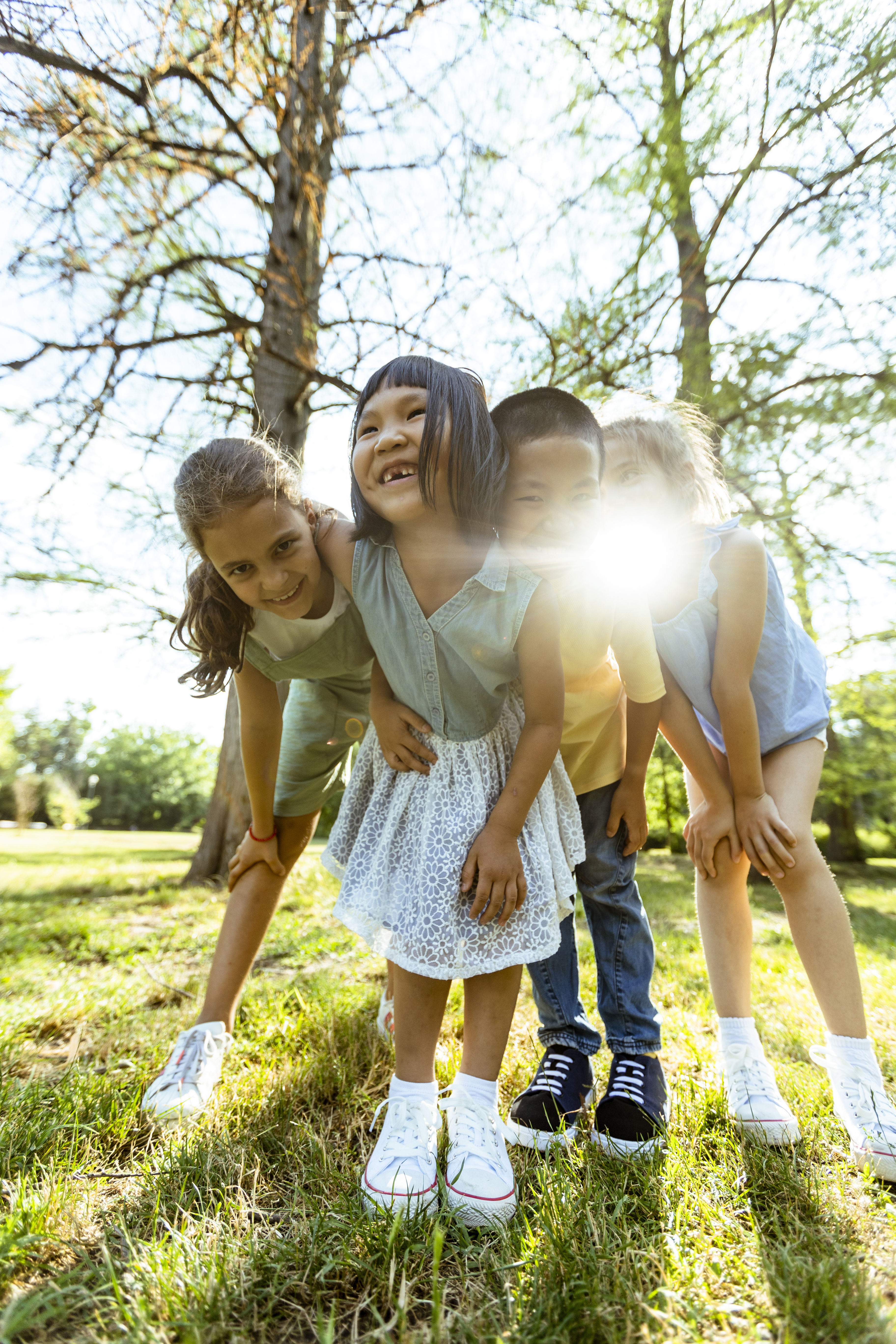
The journey of growth is continuous and rewarding. Personalized support can further enhance your child's development.
Personalized Hypnosis and Coaching
Customized sessions tailored to your child's needs can make a significant difference. Hypnosis and coaching can unlock a deeper understanding of their potential. Sessions often involve gentle suggestions and creative strategies that align with your child's unique personality and goals.
Consider starting with a consultation to explore options. Understanding what resonates with your child is crucial. Personalized approaches ensure that your child's journey is both effective and enjoyable. Discover the benefits of personalized hypnosis here.
Encouragement for Parents and Kids 🌟
Finally, remember that encouragement is a powerful tool. Celebrate successes, no matter how small. Reinforce the idea that challenges are just stepping stones to growth. Parents play a vital role by modeling resilience and optimism.
Create a family mantra or affirmation, something simple yet powerful. “We face challenges with courage and creativity.” Repeat it together daily. This shared commitment strengthens family bonds and supports a mindset of growth and resilience.
Visualization and mindfulness are gentle yet effective ways to nurture your child's emotional well-being. Embrace these practices, and watch as your child blossoms into a confident, resilient individual.

Gentle Visualization Exercises: Nurturing Resilience in Our Young Ones
Gentle Visualization Exercises: Nurturing Resilience in Our Young Ones
Most parents wish their children could bounce back from challenges with quiet confidence and emotional strength. Yet, finding gentle ways to build that resilience can feel tricky. Visualization exercises offer a simple, creative path to help kids grow inner calm and confidence. Let’s explore how these mindful tools can support your child’s emotional strength and open new doors for confidence building.
Understanding Visualization Exercises
Visualization exercises can be a game-changer in building resilience. These exercises are like mental rehearsals that help kids picture positive outcomes and tap into their inner strength.
Building Child Resilience
When children imagine themselves tackling tough situations, they build mental strength. This mental practice helps them see challenges as opportunities. Instead of feeling overwhelmed, they begin to understand that they have the tools to manage stress. As they practice, kids start to believe in their ability to bounce back. Harnessing visualization techniques can empower your child's success by helping them see possibilities, not problems.
Parents can join in these visualization exercises. Picture a calm place with your child, and ask them to describe it. What do they see, hear, and feel? This shared activity not only strengthens resilience but also fosters a deeper connection. When kids share their visions, it often opens up new conversations, helping you understand their inner world better.
Emotional Strength for Kids
Emotional strength is like a muscle. The more kids use it, the stronger it gets. Visualization exercises provide a safe space to explore feelings. Kids can imagine themselves handling emotions like anger or sadness in healthy ways. This mental rehearsal equips them with strategies for real-life situations.
You can guide your child by asking simple questions. “How would you feel if you could handle that situation calmly?” or “What would it look like if you felt strong in that moment?” These questions encourage kids to think deeply about their emotions and responses. Over time, they learn to navigate their feelings with confidence and ease.
Techniques for Mindfulness
Once kids start visualizing, they can move into more structured mindfulness practices. These techniques support both emotional strength and overall well-being.
Confidence Building Practices
Confidence grows when kids feel understood and capable. Mindfulness practices, like deep breathing or simple yoga poses, help ground children in the present moment. They learn to listen to their bodies and respond with intention, not just reaction. By practicing these exercises regularly, kids develop a sense of control over their thoughts and feelings.
Incorporate a few minutes of mindfulness into your daily routine. Perhaps start with a family breathing exercise before bed or a morning stretch together. These small moments build a foundation for lasting change. You can find more mindfulness activities for kids here.
Creative Visualization Methods
Creative visualization is like painting a picture in your mind. Kids can imagine themselves succeeding in various situations, which builds assurance and hope. Encourage them to visualize their "best selves" tackling daily activities with ease. This practice turns dreams into achievable goals.
Create a visualization story with your child. Let them be the hero overcoming an obstacle. As they narrate their adventure, they gain insight into their strengths and how to apply them. This storytelling technique is powerful and can transform how they view their capabilities. Check out these storytelling tips for kids.
Empowering Your Child's Growth
The journey of growth is continuous and rewarding. Personalized support can further enhance your child's development.
Personalized Hypnosis and Coaching
Customized sessions tailored to your child's needs can make a significant difference. Hypnosis and coaching can unlock a deeper understanding of their potential. Sessions often involve gentle suggestions and creative strategies that align with your child's unique personality and goals.
Consider starting with a consultation to explore options. Understanding what resonates with your child is crucial. Personalized approaches ensure that your child's journey is both effective and enjoyable. Discover the benefits of personalized hypnosis here.
Encouragement for Parents and Kids 🌟
Finally, remember that encouragement is a powerful tool. Celebrate successes, no matter how small. Reinforce the idea that challenges are just stepping stones to growth. Parents play a vital role by modeling resilience and optimism.
Create a family mantra or affirmation, something simple yet powerful. “We face challenges with courage and creativity.” Repeat it together daily. This shared commitment strengthens family bonds and supports a mindset of growth and resilience.
Visualization and mindfulness are gentle yet effective ways to nurture your child's emotional well-being. Embrace these practices, and watch as your child blossoms into a confident, resilient individual.
Disclaimer: We understand that every individual's experience is unique and results may vary depending on various factors, such as attitude, adaptability, personal history, and overall health. For your safety and well-being, we highly recommend consulting your physician before beginning any program. At Dani Fox, MBA, we do not diagnose, treat, or prescribe any medical or psychological disorders. We urge you to seek the care of a qualified physician or psychotherapist if you suffer from any psychological or medical disorder. Thank you for choosing Dani Fox, MBA as your partner in your journey toward Powerful Positive Change.
Privacy Policy | Terms of Service | Scope of Practice Disclaimer
© 2025, Dani Fox, MBA. All rights reserved.
Disclaimer: We understand that every individual's experience is unique and results may vary depending on various factors, such as attitude, adaptability, personal history, and overall health. For your safety and well-being, we highly recommend consulting your physician before beginning any program. At Dani Fox, MBA, we do not diagnose, treat, or prescribe any medical or psychological disorders. We urge you to seek the care of a qualified physician or psychotherapist if you suffer from any psychological or medical disorder. Thank you for choosing Dani Fox, MBA as your partner in your journey toward Powerful Positive Change.
Facebook
Instagram
LinkedIn
Youtube
TikTok
Pinterest